
Scandinavian room design is often distilled to its most basic elements: white walls, minimalist furniture, and perhaps a potted plant. While these are indeed components, to truly grasp its essence is to understand a philosophy deeply rooted in well-being, functionality, and a profound connection to nature. It’s not merely an aesthetic; it’s a lifestyle choice that prioritizes clarity, comfort, and a serene domestic environment. For those seeking a sanctuary from the often chaotic modern world, understanding the nuanced layers of Scandinavian room design offers a compelling pathway.
The Philosophical Core: Hygge and the Art of Simplicity
At its heart, Scandinavian design, particularly as it manifests in interiors, is inextricably linked to the Danish concept of hygge. This untranslatable word embodies coziness, contentment, and a feeling of geniality. It’s about creating an atmosphere where one feels safe, warm, and at ease. This philosophical undercurrent dictates many of the practical choices made in Scandinavian room design. It’s why natural materials are paramount, and why the pursuit of lagom – the Swedish concept of “just enough” – steers away from ostentatious displays in favour of thoughtful curation.
This deliberate avoidance of excess isn’t about deprivation; rather, it’s about intentionality. Every object, every piece of furniture, should serve a purpose and contribute to the overall sense of calm. In my experience, when people truly embrace this principle, their living spaces transform from mere collections of items into harmonious environments that actively support their well-being. It’s a subtle yet profound shift.
Materiality and Palette: The Foundation of Scandinavian Serenity
The typical Scandinavian palette is far from limiting, despite its popular association with whites and greys. While these form a crucial base, allowing light to bounce and create an airy feel, the true depth comes from nuanced variations and the strategic introduction of natural tones.
#### Embracing Natural Textures
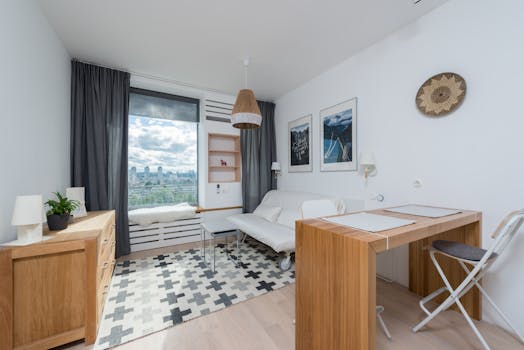
Wood: Unfinished or lightly finished wood is king. Think pale oak, birch, or ash. Its inherent warmth and organic grain add an irreplaceable layer of texture and character. You’ll find it in flooring, furniture legs, decorative accents, and even wall panelling.
Wool and Linen: These natural fibres are ubiquitous in textiles. Expect chunky knit throws, linen curtains that diffuse light beautifully, and upholstery in soft, tactile fabrics. These materials not only look inviting but also contribute to acoustic comfort, dampening sound and creating a cosier atmosphere.
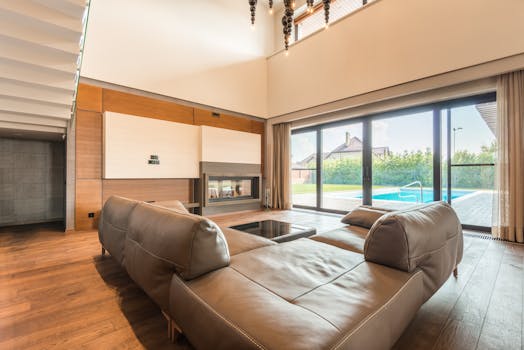
Leather: Used sparingly, a well-worn leather armchair or accent can add a touch of sophisticated warmth and a contrast in texture that enriches the space.
Ceramics and Glass: Simple, unadorned ceramics for vases or storage, and clear or frosted glass for lighting, maintain the uncluttered aesthetic.
#### The Nuance of the Scandinavian Colour Scheme
While white serves as a dominant canvas, it’s often a soft, warm white, rather than a stark, clinical shade. This is complemented by a range of muted, earthy tones:
Soft Greys: From pale dove to deeper charcoal, greys offer a grounding element.
Blush Pinks and Terracottas: These warmer hues, used as accents, can inject personality and a touch of contemporary flair without overwhelming the calm.
Muted Blues and Greens: Inspired by the natural landscapes of Scandinavia, these colours evoke the sea, sky, and forests, bringing an outdoor element indoors.
The key is restraint. Colours are typically applied thoughtfully, often in monochrome or analogous schemes, avoiding jarring contrasts that disrupt the visual flow.
Functionality Meets Form: Designing for Everyday Living
One of the most compelling aspects of Scandinavian room design is its unwavering commitment to functionality. This isn’t just about having furniture; it’s about having furniture that is ergonomic, durable, and seamlessly integrates into the rhythm of daily life.
#### Smart Storage Solutions
Clutter is the antithesis of Scandinavian living. Therefore, integrated and well-designed storage is essential. Think:
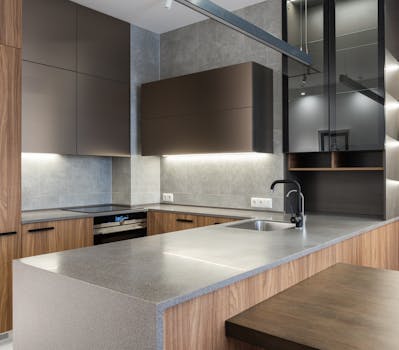
Built-in cabinetry: Sleek, handle-less units that blend into the walls.
Multi-functional furniture: Ottomans with hidden storage, sofa beds that don’t compromise on style, and nesting tables.
Open shelving used judiciously: Displaying only curated items, such as well-loved books or art, rather than accumulating knick-knacks.
#### Lighting: The Elixir of Scandinavian Interiors
Given the long, dark winters in northern latitudes, lighting is not an afterthought; it’s a critical design element. The goal is to maximize natural light and supplement it with layered, ambient, and task lighting that creates warmth and atmosphere.
Maximising Natural Light: Large windows, sheer curtains, and light-coloured walls work in concert to draw in as much daylight as possible. Mirrors are strategically placed to reflect light further into the room.
Layered Artificial Light: This includes overhead ambient lighting, floor and table lamps for task illumination and mood setting, and often decorative pendant lights that act as sculptural elements. Dimmers are a must for controlling the intensity and creating different moods throughout the day and evening. The warm glow of a well-placed lamp can truly elevate a space.
The Scandinavian Approach to Furniture Selection
Scandinavian furniture is renowned for its clean lines, ergonomic design, and enduring quality. It’s an investment in pieces that are both beautiful and built to last.
#### Iconic Designs and Modern Adaptations
While iconic pieces from designers like Hans Wegner, Arne Jacobsen, and Alvar Aalto are celebrated, the spirit of their design lives on in contemporary pieces. Look for:
Tapered Legs: A signature characteristic, adding lightness and an organic feel.
Curved Silhouettes: Softening hard lines and promoting comfort.
Durable Materials: Solid wood, often with a matte finish, is preferred over highly polished or synthetic surfaces.
Comfort as a Priority: Upholstered pieces are designed for relaxation, often featuring supportive yet yielding cushions.
Choosing a few key pieces that exemplify these principles will have a far greater impact than filling a room with mass-produced items. It’s about selecting objects with a story and a purpose.
Bringing it All Together: Creating Your Scandinavian Haven
Achieving a successful Scandinavian room design isn’t about rigidly adhering to a checklist. It’s about embracing its core values: simplicity, functionality, comfort, and a connection to the natural world. When you begin to think about your home as a space for rest, rejuvenation, and genuine connection, the principles of Scandinavian design will naturally begin to inform your choices.
Consider how each element contributes to the overall feeling of your room. Does that new sofa invite you to curl up with a book? Do the curtains diffuse the light in a way that feels soft and inviting? Is there a sense of calm and order? These are the questions that will guide you towards creating a space that is not just aesthetically pleasing, but truly restorative.
Final Thoughts: Is Scandinavian Room Design Sustainable?
The enduring appeal of Scandinavian room design lies in its inherent sustainability – not just environmentally, but also in terms of longevity and timelessness. By prioritizing quality over quantity, natural materials, and functional, enduring forms, these interiors resist the fleeting trends of the design world. They are spaces designed to be lived in, cherished, and adapted over time, embodying a thoughtful approach to domestic life that resonates deeply. But perhaps the most significant question is: can we truly cultivate the hygge that defines this style within our own, often more hectic, lives?