
Did you know that a well-designed home office can boost productivity by up to 20%? It’s true! In today’s world, more and more of us are trading bustling commutes for the comfort of our own homes. But simply shoving a desk into a corner doesn’t automatically create a functional and inspiring workspace. The magic lies in the nuances of your home office design layout. It’s not just about where your desk sits; it’s about how every element interacts to support your workflow, well-being, and overall productivity. Let’s dive deep into what really makes a home office sing.
Why Layout Matters More Than You Think
Think about it: your home office is where you tackle your most demanding tasks, spark your creativity, and spend a significant chunk of your day. If the layout is clunky, cramped, or just plain wrong, it can lead to frustration, distraction, and even physical discomfort. A thoughtfully planned home office design layout considers everything from natural light and airflow to the distance between your desk and your printer. It’s about creating a space that feels both efficient and inviting, a place where you want to be.
#### The Flow of Function: Navigating Your Space
One of the most crucial aspects of a good layout is the flow. How do you move around your office? Is it easy to get to your files without bumping into furniture? Can you grab a drink from the kitchen without disrupting your concentration?
The “Zone” Approach: I’ve found that thinking in terms of zones is incredibly helpful. You might have a “focus zone” (your desk and immediate surroundings), a “collaboration zone” (if you ever meet clients or colleagues virtually), and a “storage zone” (filing cabinets, shelves). Ensuring these zones are logically placed relative to each other makes a huge difference.
Ergonomics in Motion: It’s not just about your chair and desk height. Consider the pathways between your zones. Are you constantly backtracking? This wasted movement, however small, adds up and can disrupt your mental momentum. A good layout minimizes unnecessary steps.
Finding the Sweet Spot: Desk Placement Secrets
Where you place your desk is arguably the most critical decision in your home office design layout. It dictates so much about your environment and your connection to it.
#### Facing the World (or Not): Pros and Cons
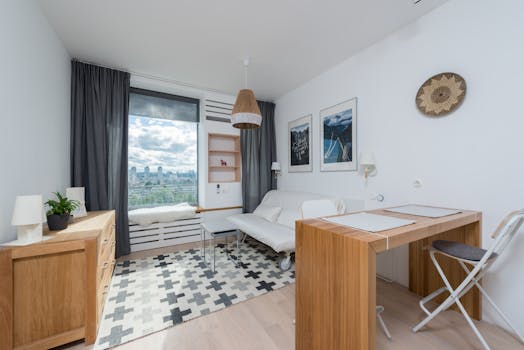
Facing a Window: This is a popular choice for a reason! Natural light is a mood booster and can reduce eye strain. Plus, a pleasant view can offer mental respite. However, be mindful of glare on your screen. Positioning your desk perpendicular to the window often strikes a good balance.
Facing a Wall: This can be great for minimizing distractions and fostering intense focus. It creates a sort of “cocoon” effect. The downside? It can feel a bit isolating, and you might miss out on natural light. Consider artwork or a motivational quote to liven up that wall!
Facing the Door: This setup often makes people feel more in control and aware of their surroundings. It’s a classic power position. However, if the door is in a high-traffic area, it could also lead to frequent interruptions.
Back to the Door: While it might feel less secure to some, this can actually be a surprisingly effective layout for deep work. It removes the visual distraction of people entering and exiting, allowing you to stay in the zone.
Maximizing Natural Light and Illumination
Beyond desk placement, how you leverage light is paramount. A dimly lit office is a productivity killer, plain and simple.
#### Beyond the Desk Lamp: Strategic Lighting
Ambient Lighting: This is your general, overhead light. Make sure it’s not too harsh and provides a comfortable overall brightness. Dimmable options are a lifesaver.
Task Lighting: This is your desk lamp. Crucial for reading documents and detailed work. Position it so it doesn’t create glare on your screen.
Accent Lighting: Think about lighting that highlights artwork or plants. This adds depth and personality to the space, making it more enjoyable to be in.
The Power of Proximity: Essential Workstation Elements
What’s within arm’s reach? This is a subtle but incredibly important aspect of your home office design layout. Think about the items you use most frequently.
#### Keeping Essentials Close: A Workflow Analysis
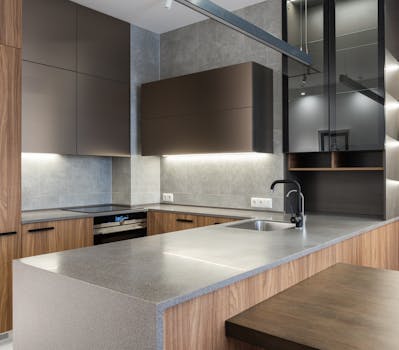
The “Golden Triangle”: In kitchen design, there’s a “work triangle” between the sink, stove, and refrigerator. You can apply a similar concept to your office. What are your three most frequently accessed items? Your computer, your notepad, and your phone? Or perhaps your filing cabinet, your printer, and your inbox? Arrange them so you can access them with minimal effort.
Reducing “Friction”: Every extra step to grab a pen or file a document is a tiny bit of friction that can break your concentration. Store frequently used items in drawers or on shelves directly beside or within easy reach of your desk.
Incorporating Storage Smartly
Clutter is the enemy of focus. A well-thought-out storage solution is integral to a successful home office.
#### Taming the Paper Tiger: Smart Storage Solutions
Vertical Space: Don’t underestimate the power of shelving! Going vertical maximizes storage without eating up valuable floor space.
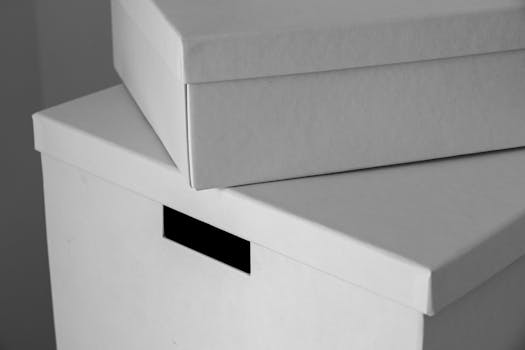
Hidden Storage: Baskets, decorative boxes, and cabinets can hide away unsightly items, keeping your desk and surfaces clear. This goes a long way in creating a calm, organized atmosphere.
Digital Organization: While not strictly a layout point, remember that a tidy digital space complements a tidy physical one. Ensure your filing system is logical so you’re not searching for digital documents endlessly.
Embracing Flexibility and Future-Proofing
Your needs might change. Your work might evolve. A truly excellent home office design layout can adapt.
#### Designing for Tomorrow: Adaptable Spaces
Modular Furniture: Consider furniture that can be reconfigured or expanded. This allows you to adjust your space as your requirements shift.
Multi-Purpose Areas: If space is tight, can your office desk also double as a craft table? Can a comfortable armchair serve as a reading nook and a place for informal calls? Think about how each piece of furniture can serve multiple purposes.
* Future Tech Integration: Consider where you might want to add new tech in the future. Plan for extra outlets or space for charging stations.
Wrapping Up: Your Personalized Productivity Hub
Ultimately, the best home office design layout is one that is uniquely yours. It’s about understanding your personal work style, your habits, and what genuinely helps you focus and feel inspired. Don’t be afraid to experiment! Start by observing how you currently use your space. Where are the bottlenecks? What brings you joy? Then, make small, intentional changes. Perhaps it’s as simple as rotating your desk to face the window or ensuring your most-used items are within arm’s reach. Your home office should be a sanctuary for productivity, a place where your best work happens.